



The most useful thing to say about the Front Range this autumn is that it is boring, and that this is good news for almost everybody. After four years in which the market was either hysterical or frozen, Denver and Boulder are both sitting close to balance — around four months of supply across most of the neighborhoods we work. That is the state in which normal transactions happen.
What "balanced" changes, practically
Contingencies are back
The single clearest signal. In 2021 a buyer waived the inspection to be looked at. This spring we took a Boulder property under contract with a standard inspection contingency and a twenty-one-day appraisal deadline both intact. That is not a small change; it is a transfer of risk back to where it belongs.
Time on the market means something again
In a frozen market, a long listing told you nothing. In a balanced one it tells you where a seller's head is: expectations move some weeks after launch whether or not the price does. If you are a buyer, that is your window. We are not going to put a number on it here — this is a demonstration site, and a days-on-market figure invented for a demo is exactly the kind of statistic somebody would go and price a real house against.
Correct pricing still gets rewarded quickly
Balance does not mean everything sits. 2870 Calder Street went on at its list price and had serious attention early; 3050 Belvoir Avenue went under contract with its inspection contingency intact. What has changed is that the aspirational number no longer gets bailed out by scarcity: it just sits, and then it sells for less.
Denver specifics
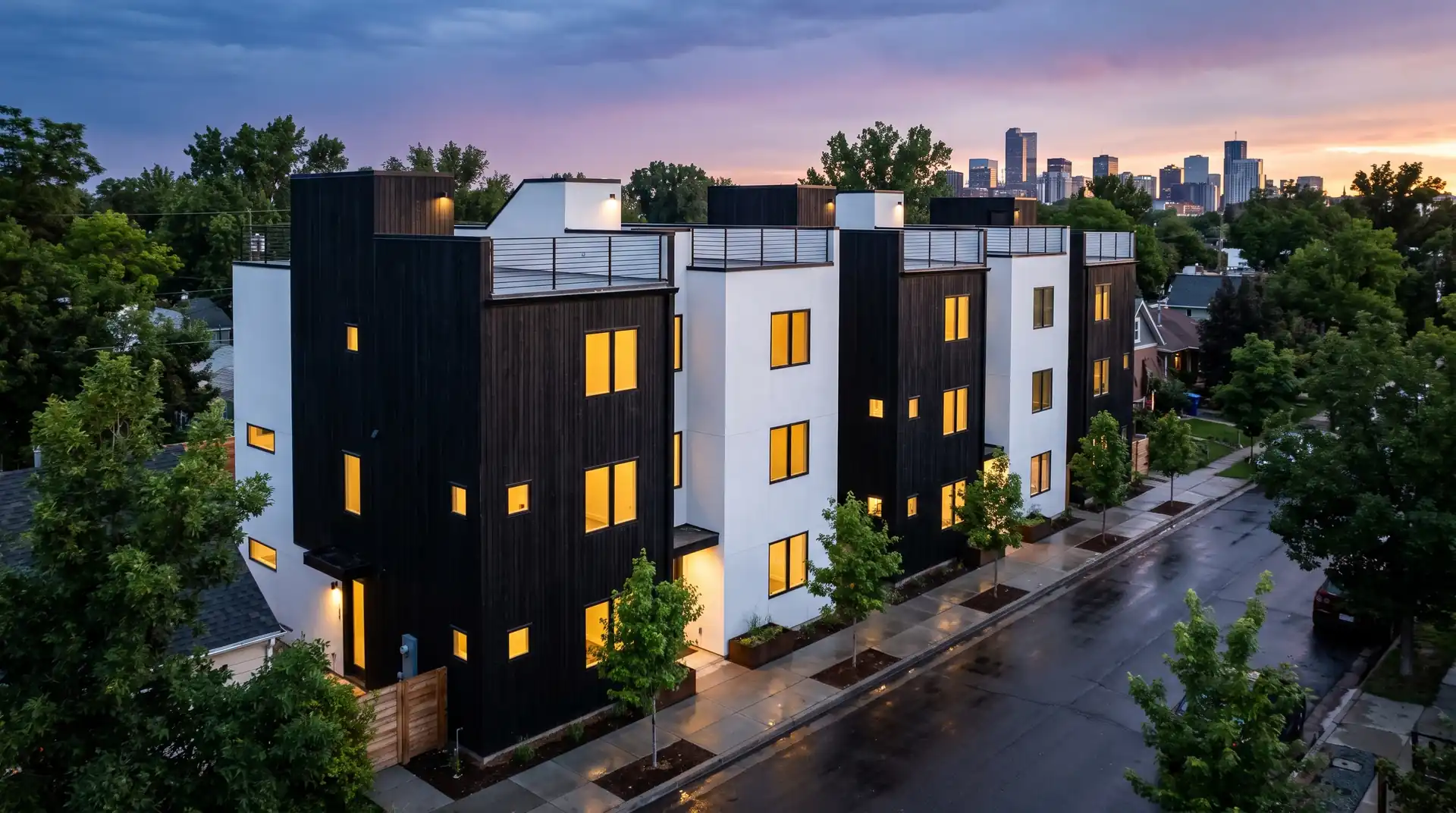
The strongest segment we can see is well-executed new infill in the $1M–$1.6M band — Sunnyside, LoHi, Berkeley — where supply is genuinely constrained because the lots are finite and the construction cost floor is high. The softest is attached product in Cherry Creek above about $900,000, where a lot of very similar 2015–2019 buildings are competing with each other. 300 Everleigh Street needed a marketing period and one price adjustment before it cleared, which is a fair picture of that segment.
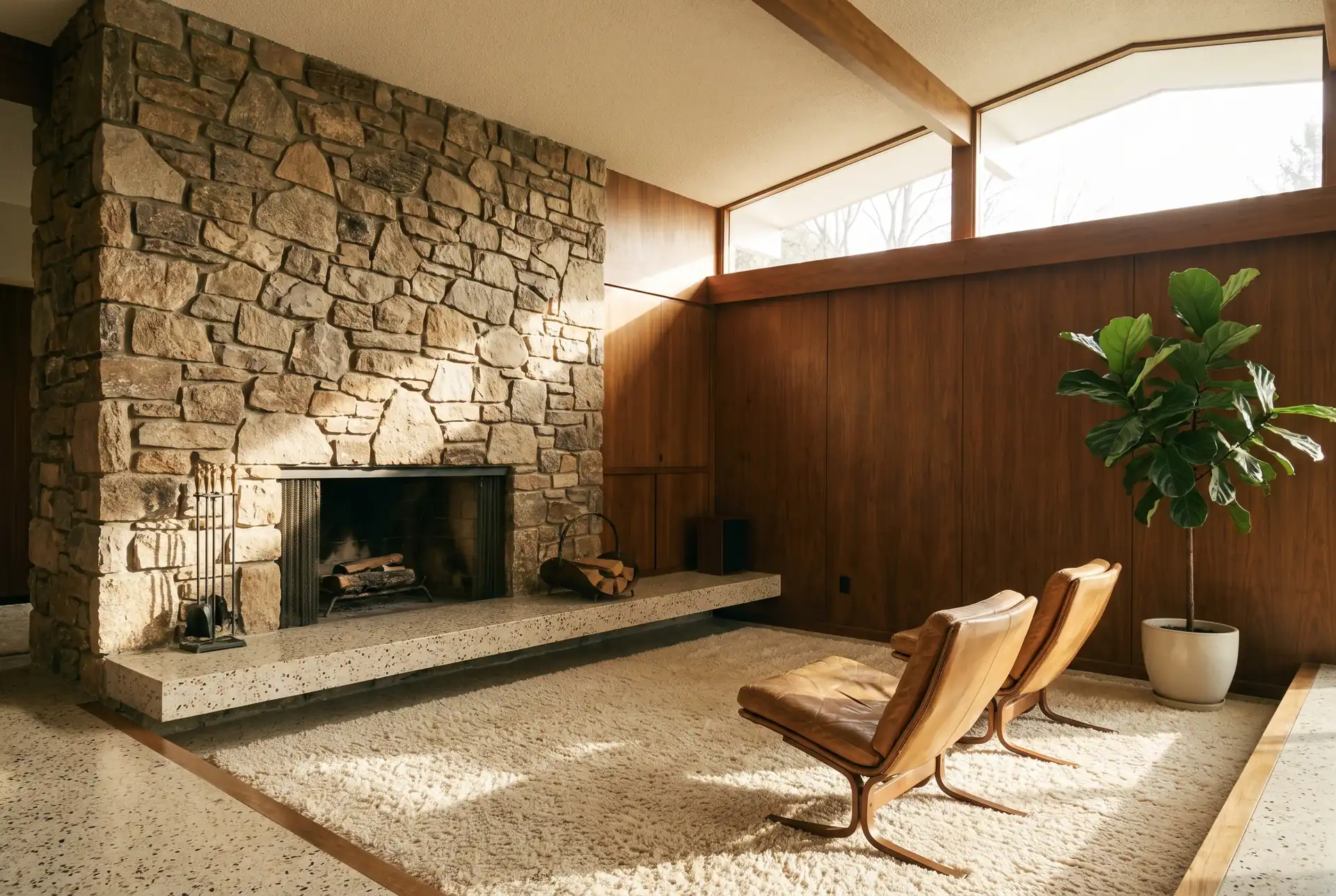
Mid-century remains its own market with its own logic. 1180 S Norbury, a small and unmodernised 1954 house, sold on the strength of its original glazing, decking and site lines rather than in spite of them. Buyers of that stock pay for what has not been done to it, and no automated model has ever understood that.
Boulder specifics
Boulder is structurally supply-constrained in a way Denver is not — the open space boundary is a hard edge and the historic districts limit what can change. That keeps the floor high. What has moved is the top: above about $2.5M, buyers are taking their time and negotiating, and the insurance question has become a real variable in the foothills. On more than one deal this year the wildfire-overlay insurance quote arrived late and nearly killed the transaction.
If you are buying
- Get a fully underwritten pre-approval, not a pre-qualification. It is now the differentiator rather than a waived inspection.
- Keep your inspection contingency. You can afford to.
- Look hard at anything that has been sitting.
- In the foothills, get an insurance quote before you get emotionally committed.
If you are selling
- Price it right at launch. The first fortnight is most of the attention you will ever get.
- Do the pre-listing inspection. It converts a negotiation you would lose into a disclosure.
- Read the offers on financing strength, not on the headline number.
- Expect to sell before you buy. Contingent offers are meaningfully weaker again.
This is a demonstration site. Everything named here comes from an authored dataset, not from real MLS data, and it deliberately carries no sale prices and no days-on-market figures — inventing those would be inventing market statistics somebody could act on. On a live site the numbers would come from the same IDX feed as the listings and refresh nightly.The full list is here, and it filters.
This article is general information about the Colorado residential market, not legal, tax or financial advice, and it is published on a demonstration website for a fictional brokerage. Consult your own attorney, accountant and lender before acting on anything in it.